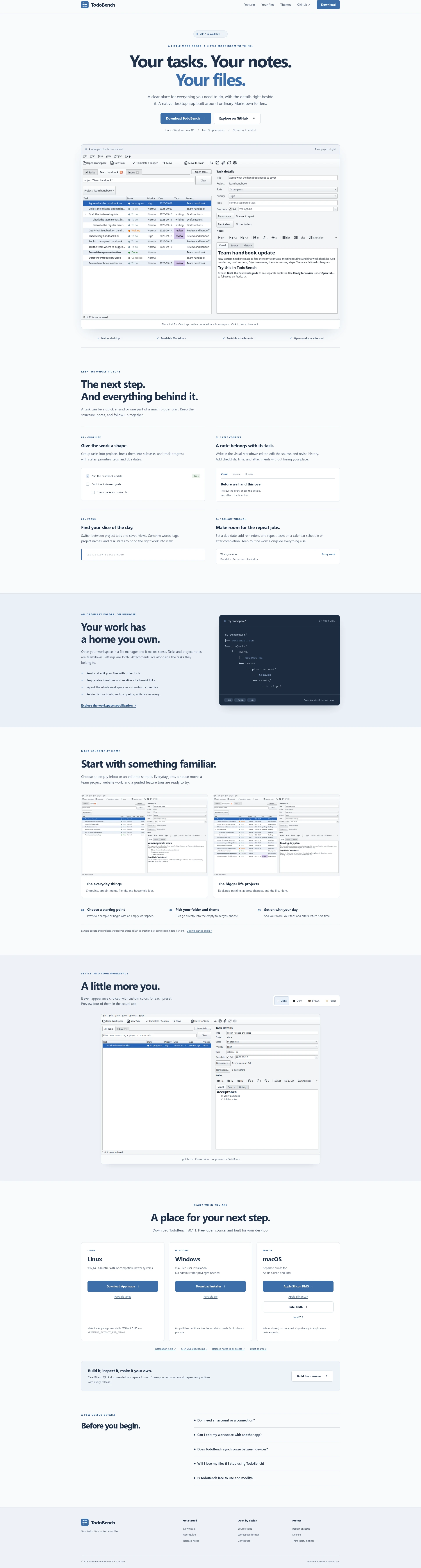
Palo Alto Web Design

Your Palo Alto website should explain what you sell before asking visitors to book a call. We build product, research-business and neighborhood-service websites with focused writing, evidence you can approve, and contact paths suited to customers, partners or prospective clients.

See the websites we build.

Palo Alto buyers can compare product presentation, structured specialist content and professional-service intake across these actual projects. The examples show approaches we can discuss for your own site.

TodoBench uses feature previews and platform downloads to introduce a desktop product, making it relevant to teams evaluating a software marketing site.
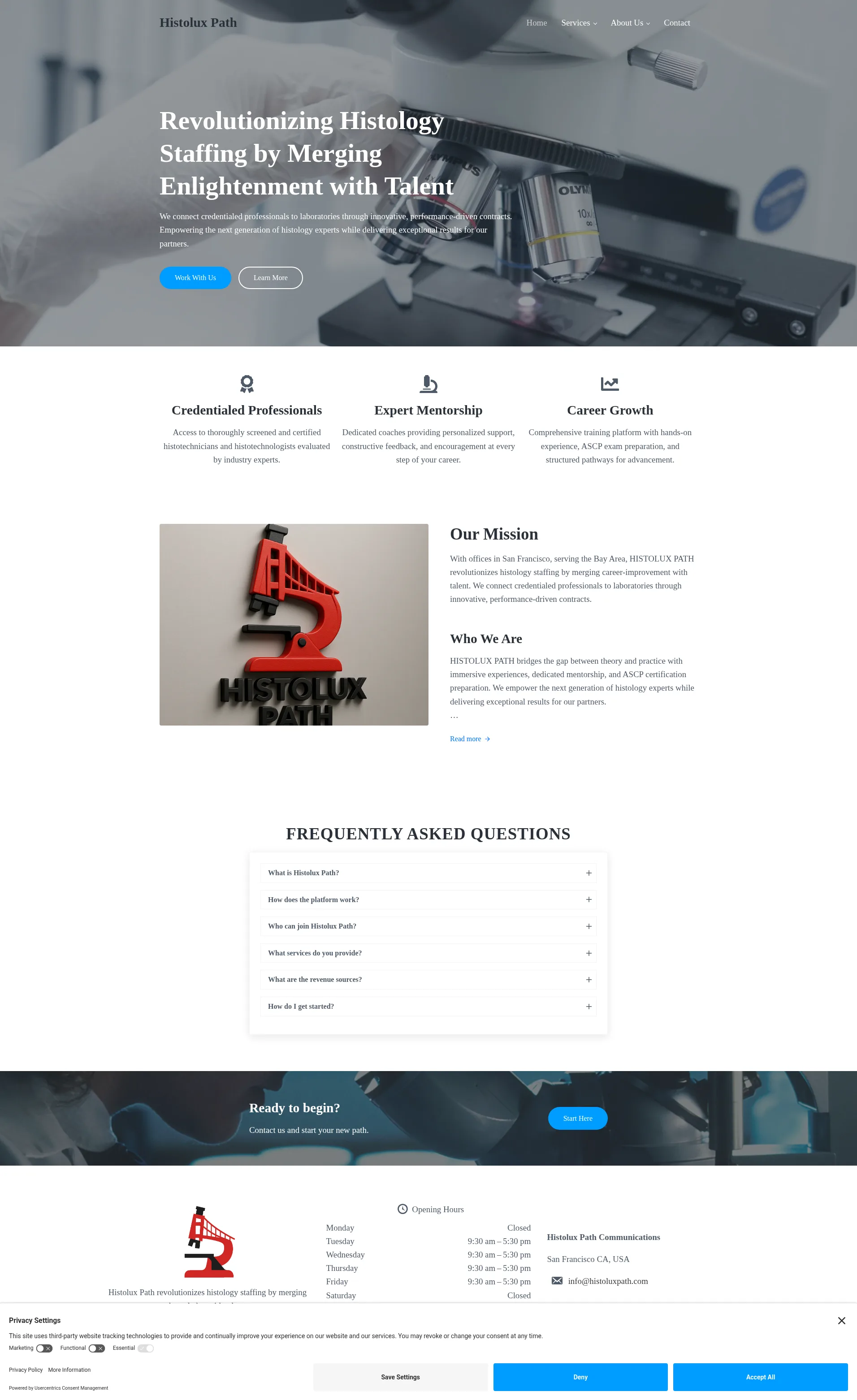
Histolux Path demonstrates structured specialist practice information and intake workflows, useful when considering how to organize a complex service offering.
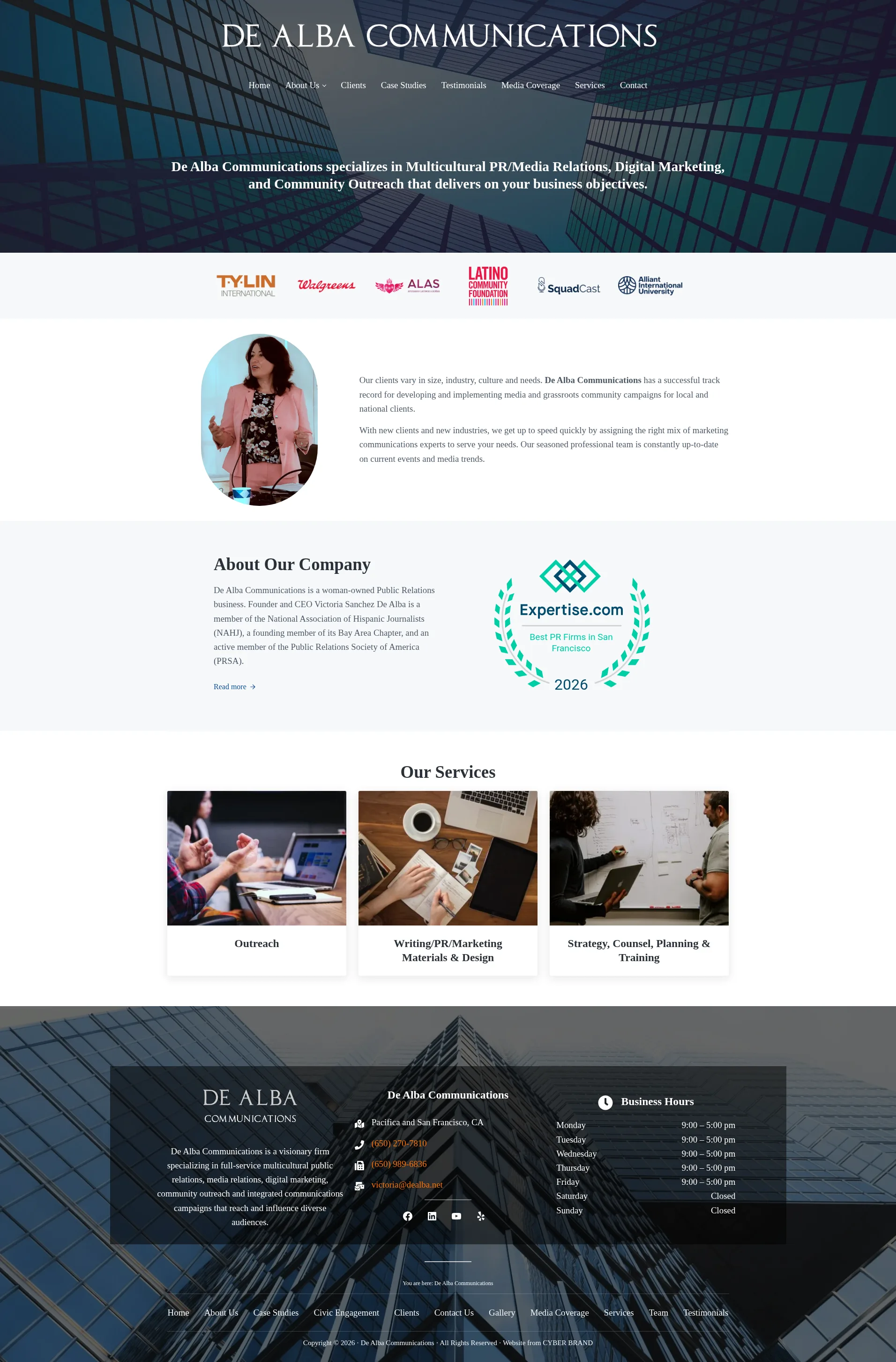
De Alba Communication combines service presentation and intake forms, showing how a professional firm can connect an introduction with a business inquiry.

Open a project to explore its desktop and mobile pages.

View the full website portfolio

Website packages for Palo Alto businesses.

Choose a focused business website, a larger site with room to manage content, or a custom build. Compare the scope, then tell us what your business needs.

Starter

$800

Fixed project fee · USD

A focused website for your services, business information, and customer inquiries.

  • Up to 5 pages
  • Website writing and responsive design
  • Contact form and on-page SEO
  • Two consolidated revision rounds
Discuss Starter

Standard

$3,500

Fixed project fee · USD

More room for your services, project portfolio, articles, and an editable content system.

  • Up to 15 pages
  • Custom WordPress or custom-developed site
  • Blog or content management system
  • On-page and technical SEO
  • Analytics and conversion tracking setup
  • Writing and two consolidated revision rounds
Discuss Standard

Enterprise

Fixed quote

Agreed project total

Online stores, booking systems, memberships, and integrations with your business tools.

  • Page count and features agreed together
  • Commerce and booking scoped to your needs
  • A written scope and fixed project total
  • An agreed delivery timeline
Discuss a custom website

Custom functionality and monthly website care, SEO, and business email are priced separately. We agree any extra work before it begins.

Compare complete scope and ongoing services

Palo Alto web design, in detail.

For a proposed Palo Alto technology company, we would turn the product deck into a public evaluation path: current functionality, a supported application and a specific demonstration request. The page structure, evidence and launch checks would stay tied to the same released product rather than a collection of disconnected claims.

  • Product claims and evaluation paths
  • Scientific resources with a public purpose
  • Launch scope for a specialist team
Read the Palo Alto website plan

A Palo Alto product website that supports a technical evaluation

Start with the evaluation a visitor is ready to make

Palo Alto's Stanford Research Park accommodates technology and research businesses, including a life-science community. For a specialist company in that setting, we recommend a website brief centered on evaluation rather than a broad corporate introduction. A prospective customer needs to understand what is available now, where it applies and what information supports a decision to speak with you.

For a proposed technology product, we would follow one application from an introductory explanation to its operating requirements and a demonstration request. The visitor should understand what the product does in that setting and what must be supplied to evaluate it. That path gives the sales team a useful destination to share after an initial conversation about the customer's needs.

  • Specify the first audience: product user, technical evaluator, procurement contact or potential research partner.
  • Choose one primary evaluation action and identify the material visitors need before taking it.

Turn the deck into pages with different jobs

A compact technology launch could use Home, Product, Applications, Company and Contact. The product page would show the current feature set and supported environment; applications would explain the situations it addresses. We can make those pages useful independently, so someone receiving a direct link from your sales team can understand the offer without starting at the homepage.

If the product addresses several applications with different requirements, Standard's larger allowance can support individual application URLs and related resources. Each page should identify the task, supported conditions and appropriate evaluation route. We would map the Palo Alto team's existing deck to those decisions, retaining useful explanation while separating future plans from the functionality a prospect can assess today.

  • Place platform requirements and evaluation prerequisites near the product demonstration or inquiry option.
  • Give a technical resource a short introduction explaining the question it helps a reader answer.

Connect the claim to something the visitor can inspect

For this product, a screenshot sequence should show the proposed task from input to output, with captions identifying the release and any preparation required. We would ask the product owner to approve the sequence against the supported application. Technical diagrams can explain a dependency that a screenshot cannot, while a demonstration request can identify which details need a conversation.

TodoBench demonstrates feature previews and platform download routes in our portfolio. The useful relationship is between explaining a function and giving a visitor the appropriate way to evaluate it. For the proposed Palo Alto product, we would connect the application example to its supported environment and demonstration requirements, using product-team materials to establish exactly what the visitor can expect.

  • Provide a consistent set of approved screens from the release being presented, with sample information suitable for publication.
  • Identify whether the evaluation is a download, a guided demonstration or an initial technical discussion.

Budget the public launch separately from the application

A five-page product introduction can fit Starter's fixed $800 scope when its functionality is straightforward. Standard is fixed at $3,500 for up to fifteen pages when applications or capabilities need individual explanations. Writing, responsive design, scoped SEO foundations and two consolidated revision rounds are included, with your product and technical reviewers contributing consolidated feedback at the agreed stages.

The product's public resource list and a customer workspace are different requirements. We would scope the explanatory pages around the evaluation path, then separately quote custom accounts, subscriptions, commerce or integrations where required. Monthly SEO, care and email are separate. This lets the company choose a useful public launch while deciding independently how prospects receive access to the application.

  • Include the actual application, portal or calendar destination in the launch brief.
  • Decide whether the first release needs public resources, gated access or simply a contact for further materials.

Check the published application against the release being demonstrated

Before launch, we would compare the published example with the product team's approved release notes and demonstration materials. Screens, supported-environment information and the contact acknowledgement should describe the same evaluation. If an older page presents a retired feature, its replacement needs to explain the current option or lead to relevant support rather than silently sending visitors to the homepage.

The acceptance test would follow the application page through a demonstration request, including the information sales receives about the visitor's intended use. A second reviewer can check what an existing customer sees when seeking support. Agreed measurement would distinguish evaluation inquiries from downloads or support departures, with any activity inside an external product system addressed separately in the measurement scope.

  • Name the product owner responsible for changing public screens and requirements when the supported release changes.
  • Test the demonstration destination with the same access conditions a prospective customer will encounter.
Local business references

Websites for Palo Alto products and services

Palo Alto combines technology and life science businesses at Stanford Research Park with distinct neighborhood commercial districts, including Downtown and California Avenue. We tailor the sales experience to those different audiences and buying decisions.

Technology products and R&D businesses

We design product websites that introduce the use case, demonstrate relevant features and give evaluators a direct route to downloads, a demo request or a business development conversation.

  • Product and use-case pages
  • Feature demonstrations
  • Demo or partnership inquiries
Website details for Technology products and R&D businesses

Give technical products a persuasive public presentation

Stanford Research Park's Palo Alto community includes research and development operations and technology companies at different stages. We can help a smaller team present its own product with the specificity that a prospective customer needs: the problem it addresses, the supported environment and the next step in evaluation. A focused page structure can give product information, implementation questions and company credibility their own space without making the visitor read a corporate presentation first.

We work from approved product materials and demonstrations, then write and design around the questions that come up in sales. Feature previews can support the explanation when you have a product to show. We can distinguish the product's current capabilities from plans that are not yet available, and make platform requirements and evaluation options easy to find. Your team reviews the details before the launch content is finalized.

Explain evaluation requirements before asking for a demo

A demo page can do more than collect an email address. We can explain the intended user, supported environment and preparation needed for a productive session, using the product's actual requirements. This helps an evaluator decide whether the next conversation is relevant.

The request might distinguish a prospective customer from an integration partner, then ask about use case and team context. We recommend leaving detailed implementation questions for follow-up unless your sales process genuinely needs them before scheduling the first discussion with a product specialist.

  • List supported platforms or environments beside the evaluation option.
  • Give trial, download and sales-demo choices distinct labels when more than one exists.

Keep the product story aligned with released functionality

We can structure feature pages so current functionality has a stable explanation and new releases can be added deliberately. Screenshots should correspond to the version a buyer can evaluate, and captions can identify the specific task demonstrated rather than describe every visible control.

For an R&D business, public capability and future direction may need separate treatment. We can help identify the information appropriate for a broad audience and the material reserved for a technical discussion, while your team controls what is ready to announce commercially.

Discuss this website
Local business references

Life science and research services

We can organize scientific capabilities into audience-specific pages, separating service inquiries, partnership opportunities and recruiting information while preserving the technical wording your team has reviewed and approved for publication.

  • Research capability pages
  • Approved publications and resources
  • Partner and service inquiry routes
Website details for Life science and research services

Explain scientific capabilities without burying the buyer

Stanford Research Park's Life Science District brings together businesses in fields including bioengineering, medical devices and digital health. For a business working in this setting, we can build a public website around capabilities, applications and the audiences you actually serve. Technical readers can access your approved resources, while a prospective partner can understand the engagement model and find the appropriate contact without navigating internal scientific terminology alone.

We help your team decide which material explains the offering and which belongs in a technical download. You retain approval of scientific and clinical statements, and we avoid extending them into unsupported performance claims. A focused website can start with company, capability and contact pages; an expanded resource collection may suit Standard. We can organize those resources by audience or application so a partner finds the evidence relevant to the discussion.

Organize resources by the decision they support

A research-service page can link a capability to relevant publications, methods or technical summaries supplied by your team. We can write an introduction explaining the scope of each resource, so a potential partner knows whether it addresses the application being considered.

A resource collection should distinguish company-authored material from external references and show which version is current. We can plan the navigation around scientific audiences and commercial contacts, with the technical owner reviewing terminology and the business owner confirming how inquiries should be handled.

  • Record publication permission, version and the person responsible for each public document.
  • Connect a capability inquiry to the relevant research area rather than a generic message box.

Define the first project conversation

We can design a project inquiry around application, development stage and the kind of service requested. Those fields can provide context without requiring proprietary methods or sensitive datasets. The page can explain how further technical materials will be exchanged after initial contact.

Where several teams handle partnerships, services and recruiting, the website should make those destinations explicit. We can present a brief engagement sequence that reflects your operation, allowing a potential customer to understand what happens after the inquiry and who will discuss the next stage.

Discuss this website
Local business references

Neighborhood shops and professional services

We build smaller business websites that put services, product selections, opening information and contact options together, giving customers an immediate reason to visit, inquire or arrange a consultation.

  • Services or selected products
  • Location and visiting information
  • Consultation or customer inquiry
Website details for Neighborhood shops and professional services

Turn neighborhood recognition into a next step

Palo Alto's business districts include destination-oriented Downtown, neighborhood-serving California Avenue and smaller commercial centers with their own customer relationships. We can apply that same attention to a shop or service firm's website: explain your particular offer, show the people or products behind it and make the practical next step prominent. The location belongs beside useful visiting or appointment information, while the rest of the page gives customers reasons to choose your business.

We can consolidate an aging site into a manageable set of pages with writing included, so a business owner does not have to draft every description before starting. Your actual hours, service terms and approved photographs shape the build. If selling online or accepting appointments requires a new system, we discuss those costs separately. A link to an existing service can often provide the necessary route without rebuilding your operations.

Make the district visit or consultation concrete

Palo Alto's Downtown, California Avenue and neighborhood centers have distinct commercial roles. We can give a shop or firm practical visiting information tied to its own premises, while making its particular selection or specialty the reason to choose the business.

For an appointment-based service, the page can explain where a consultation happens, whether remote meetings are available and what the customer should prepare. A retailer may instead need collection information and an availability inquiry that staff can answer before someone travels to the store.

  • Use the actual entrance, suite and appointment arrangements supplied by the business.
  • Distinguish walk-in availability from consultations that require confirmation.

Build a service comparison that staff can stand behind

We can organize related services by the customer situation rather than internal terminology. Each description can explain the included work, the appropriate starting point and any preparation, making it easier for someone referred by a neighbor or colleague to ask a specific question.

Selected examples and staff biographies can support that comparison when they are relevant to the service. We can also plan which information remains stable and which needs periodic review, such as changing collections, availability or team roles, before the new website is launched.

Discuss this website
Local business references

Web design, development, and ongoing support.

Start with the website you need. Add search, commerce, care, or business email where they support your business.

A downtown Palo Alto street corner with red awnings and Mediterranean-style architecture.
Serving businesses in Palo Alto and the surrounding Bay Area.
Photo credit

Sanfranman59 · CC BY-SA 3.0

Palo Alto website questions.

Can a Palo Alto product team launch with the $800 package?

Yes, if the public site fits within Starter's five pages and agreed functionality. It can introduce a product, company and contact route. Standard is $3,500 for up to fifteen pages when use cases or service categories need more room. Writing, responsive design, scoped SEO foundations and two consolidated revision rounds are included in both.

Will you write technical content for our Palo Alto company?

We can turn your product documentation, approved claims and interview notes into website copy that helps buyers evaluate your offering. Your subject-matter experts review accuracy before publication. We agree which technical resources are supplied, rewritten or linked during scoping, including any scientific or clinical material that requires your own specialist approval.

Can the website connect to our demo calendar or CRM?

We can provide a route to the tools you already use and review whether a simple link meets the need. Embedded scheduling, form routing, CRM connections and custom integrations are scoped and quoted separately. Send the platforms and desired handoff so we can define the visitor experience and the implementation before work begins.

Web design in nearby cities.

We work remotely with Palo Alto businesses. Our service areas describe where we work with clients, rather than a list of office locations.

Discuss a Palo Alto website build

Send your product or service overview, existing website and primary audience. We will discuss positioning, page scope and the next action your visitors should take.

Discuss your website

Project preview

Scroll to explore the full page